Nian Gao (Chinese New Year Cake) 年糕
Celebrate the lunar New Year with some Nian Gao (年糕), or Chinese New Year cake, a steamed sweet glutinous rice cake symbolizing good fortune and growth. This easy nian gao recipe is soft & chewy, slightly sweet, and perfect for gifting to family and friends.
What Is Chinese New Year Cake (Nian Gao)?
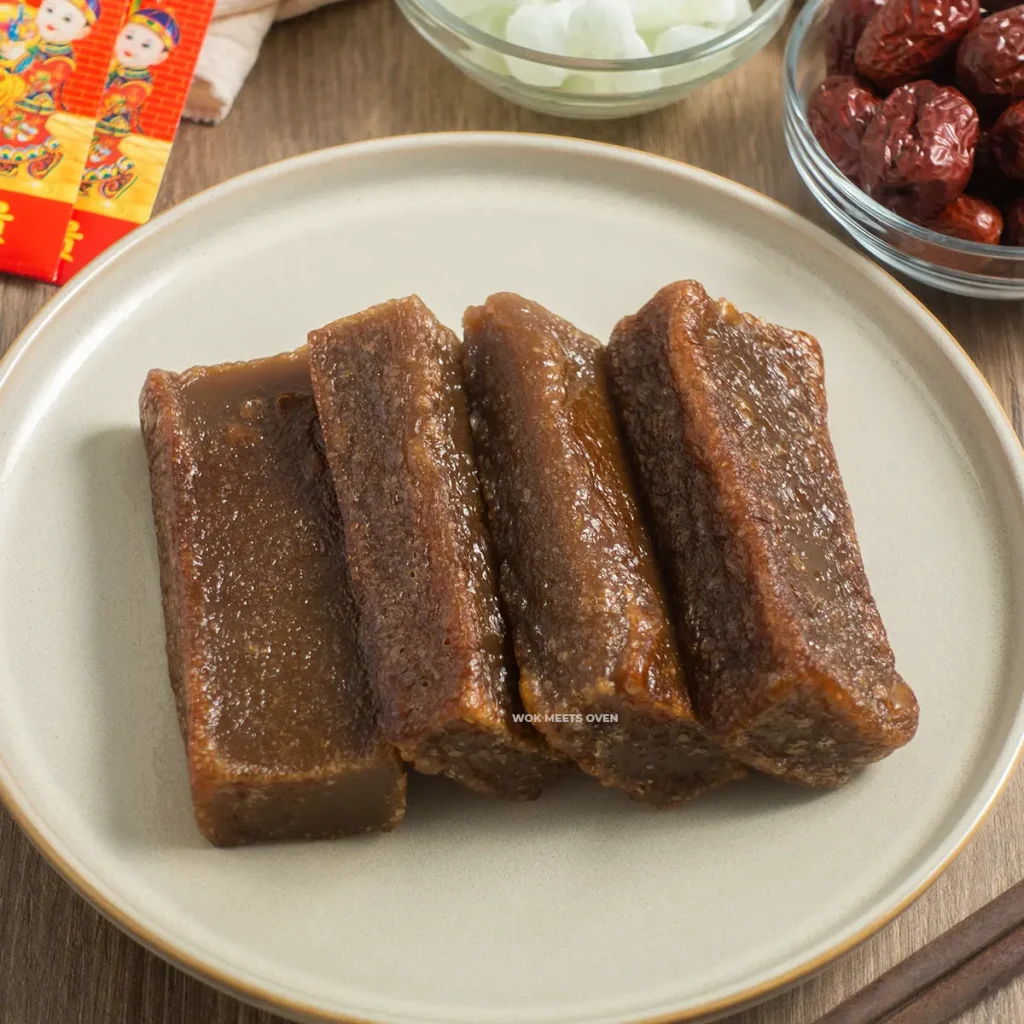
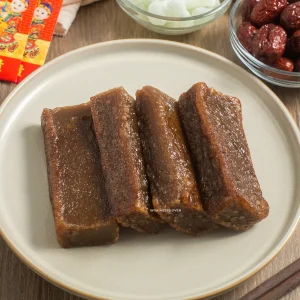
Nian Gao (年糕), or Chinese New Year cake, is a classic Lunar New Year steamed sticky rice cake typically made from glutinous rice, water, and Chinese brown sugar.
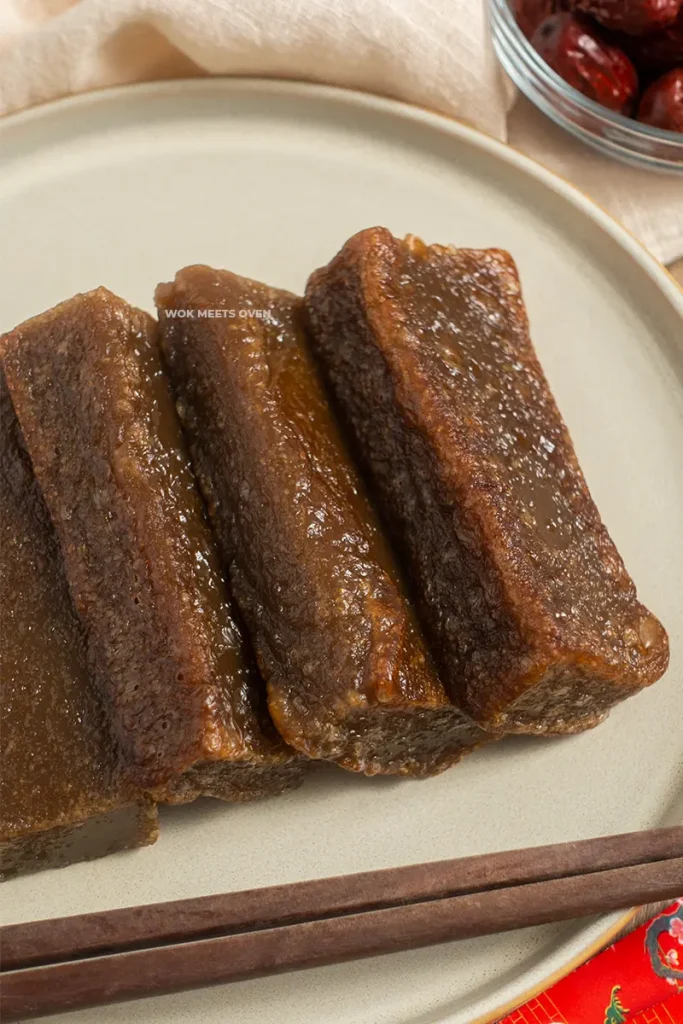
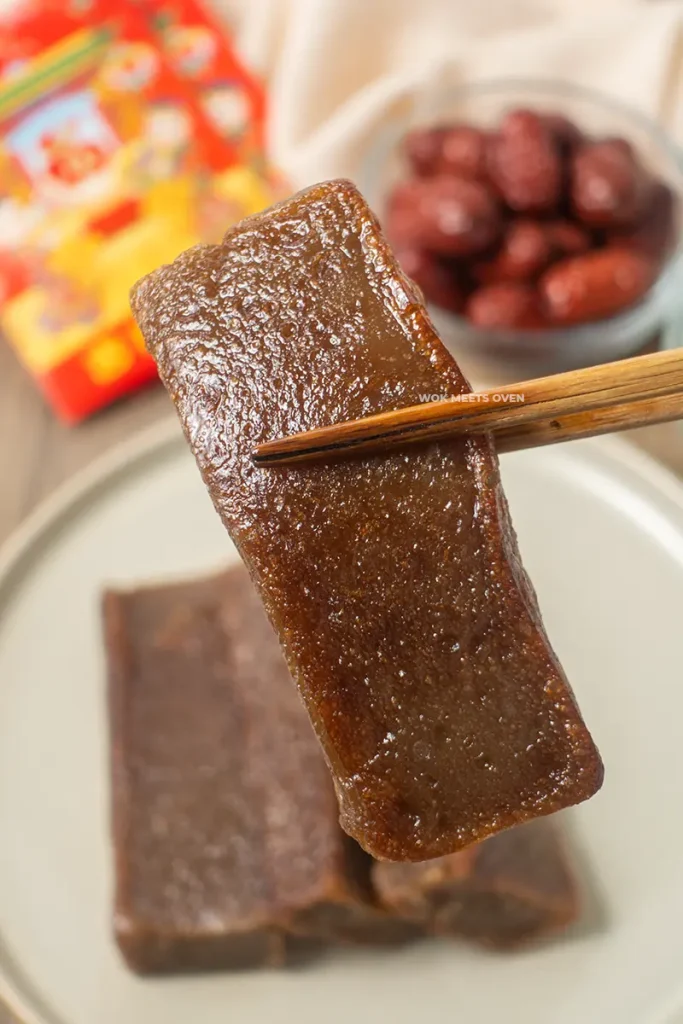
The traditional Chinese New Year cake is known for being soft, chewy, and sweet, and symbolizes good fortune and growth in one’s life. It’s normally eaten pan-fried after it has been steamed, sometimes even dipped in eggs before being pan-fried. The pan-fried nian gao is crispy on the outside while soft and chewy on the inside, giving it an interesting texture.
What Is Chinese New Year Cake Made Of
Chinese New Year cake is traditionally made with water, Chinese brown sugar slabs, and glutinous rice flour. Sometimes you’ll see additional ingredients being added to it, such as rice flour, wheat starch, ginger juice, and coconut milk.
When all of these ingredients are combined, they produce a thick batter which is then steamed to create a steamed Chinese glutinous rice cake.
After steaming the Chinese rice cake, it’s left to cool down at room temperature before being put away in the fridge and then eaten the next day, usually pan-fried once it has solidified.
In this easy Chinese New Year cake recipe, I’ll show you how to make nian gao at home with simple ingredients and fail-proof techniques to ensure that your Chinese New Year cake with coconut milk turns out perfect!
Now let’s discuss some of the key ingredients that you’ll need for this steamed Chinese new year cake recipe.
Nian Gao Ingredient Notes
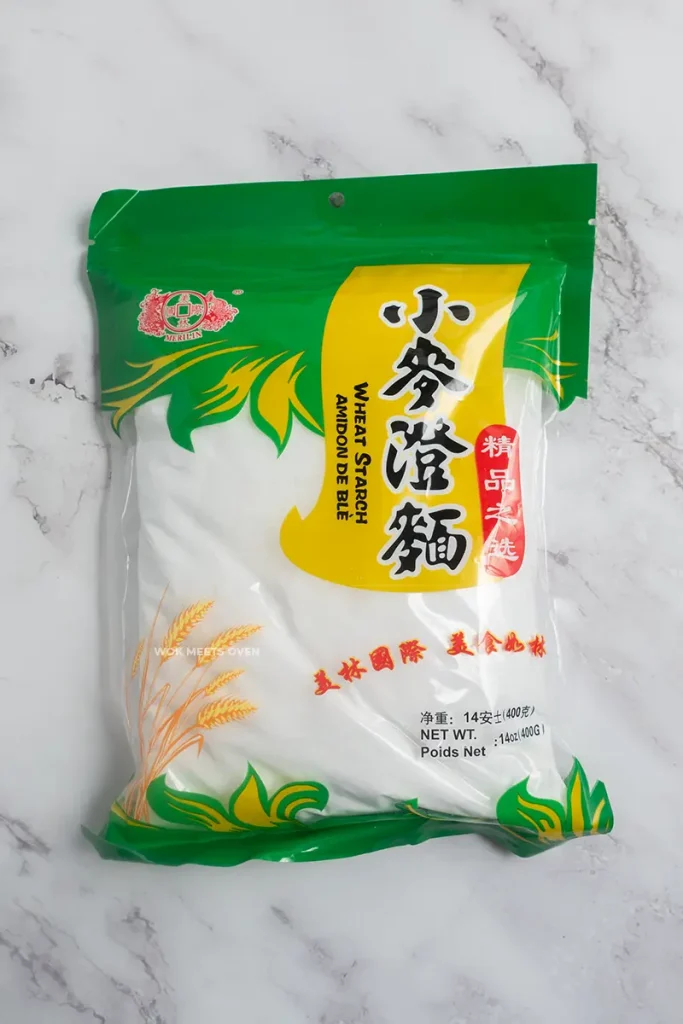
Wheat starch: Wheat starch will help make our Chinese New Year’s rice cake softer and tender, unlike traditional Chinese New Year cake recipes that skip out on this ingredient, which causes their glutinous rice cake to turn into a brick after refrigerating overnight. Wheat starch is available at most Asian grocery stores and online.
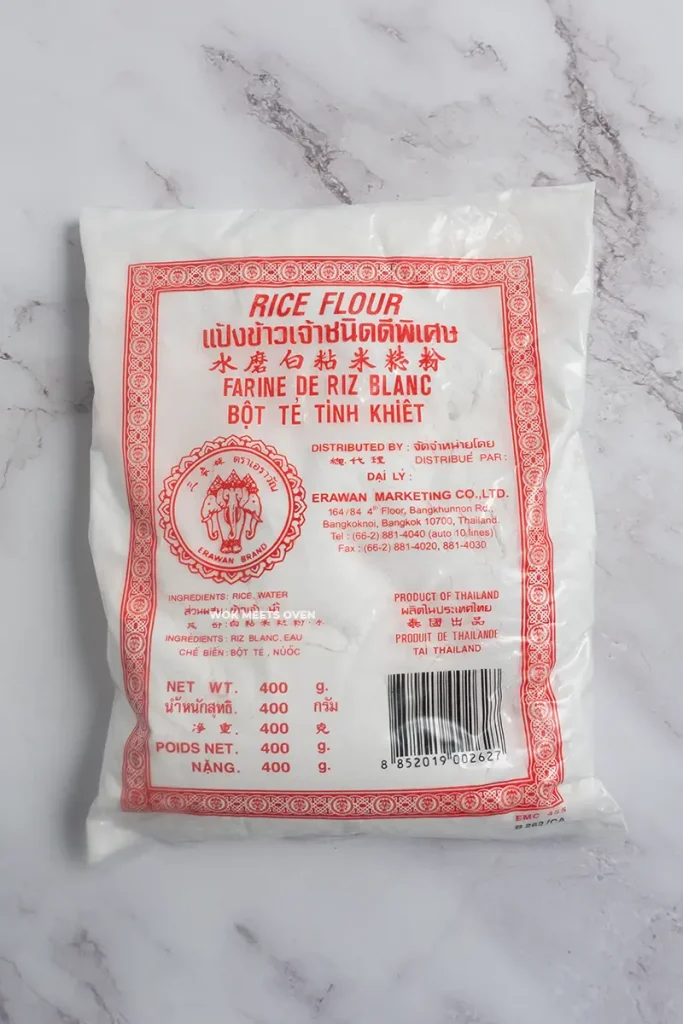
Rice flour: Rice flour adds softness to our steamed cake so you don’t lose a teeth when you bite into the steamed rice flour cake the next day after leaving it to cool down in the fridge overnight. One last thing, make sure that you’re using an Asian brand of rice flour.
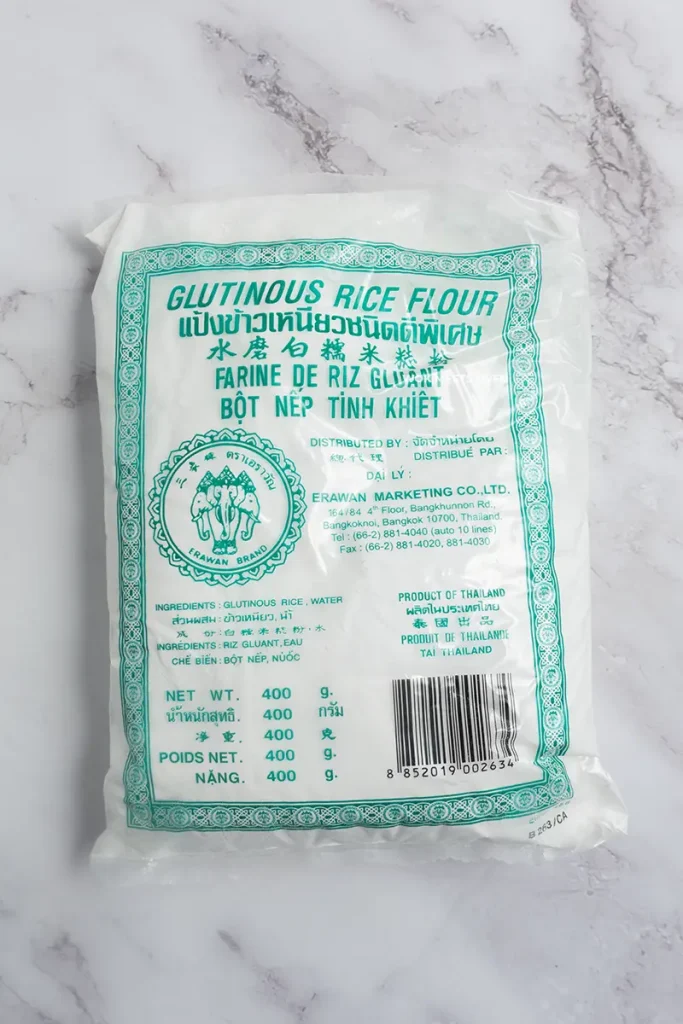
Glutinous rice flour: This makes our Chinese new year cake nice and chewy and also very sticky. Do not skip or try to substitute this key ingredient!!!
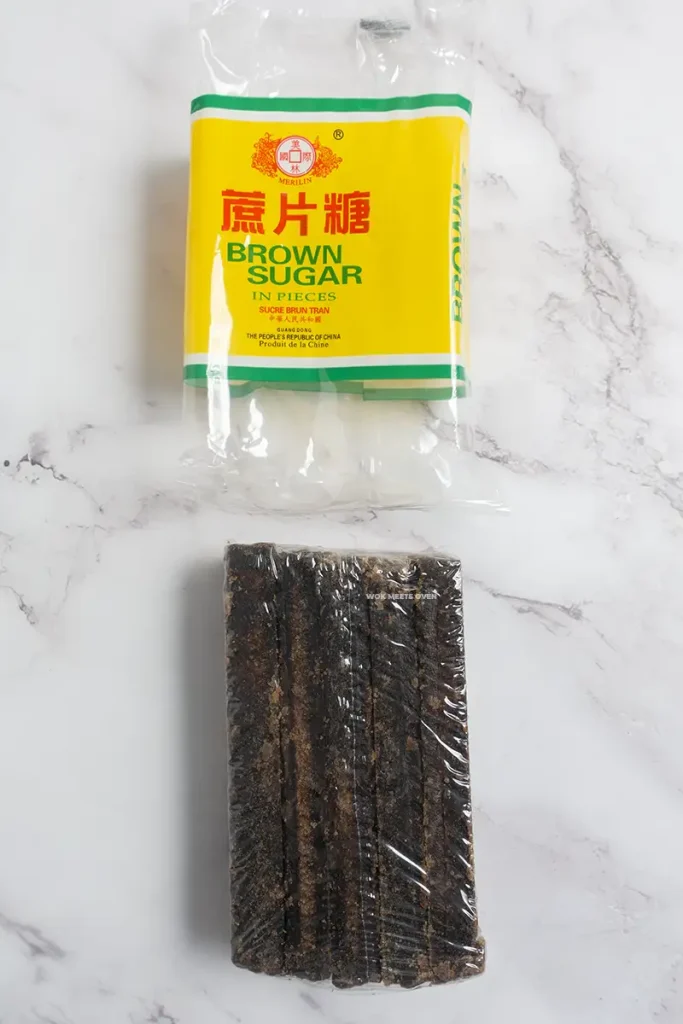
Chinese dark brown sugar slabs: These are made from cane sugar and unlike the regular Chinese brown sugar slabs, possess a much darker color to them, making them perfect for making Nian gao. These are readily available at all Chinese grocery stores and online. Make sure you’re using the dark brown sugar slabs and not the yellow ones.
Coconut milk: Make sure that you’re using canned coconut milk with full fat and not that coconut milk that they sell in milk cartons for drinking; that’s not the right kind of coconut milk for this recipe. The coconut milk adds richness and flavor to the nian gao steamed cake.
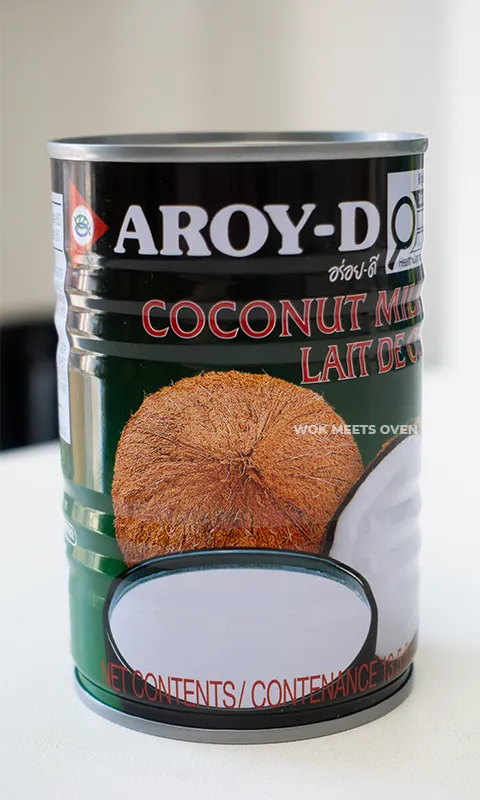
Substitutions
- Chinese dark brown cane sugar slabs: If you really can’t find Chinese dark brown sugar slabs then the next best thing would be to use Chinese brown sugar slabs (the yellow version). There’s not much difference between the two taste-wise, but the color of your Cantonese Chinese New Year cake will be yellow instead of dark brown. Do not use regular brown sugar!
- Coconut milk: If you’d like your nian gao to be more creamier then you can substitute it with coconut cream, however this recipe has not been tested with coconut cream and you’ll likely need more coconut cream as it’s not as runny as coconut milk. Do so at your own risk!
How to Make Chinese New Year Cake (Nian Gao)
- To start, smash the Chinese brown sugar slabs into smaller pieces using a blunt object so that they melt faster, and set them aside.
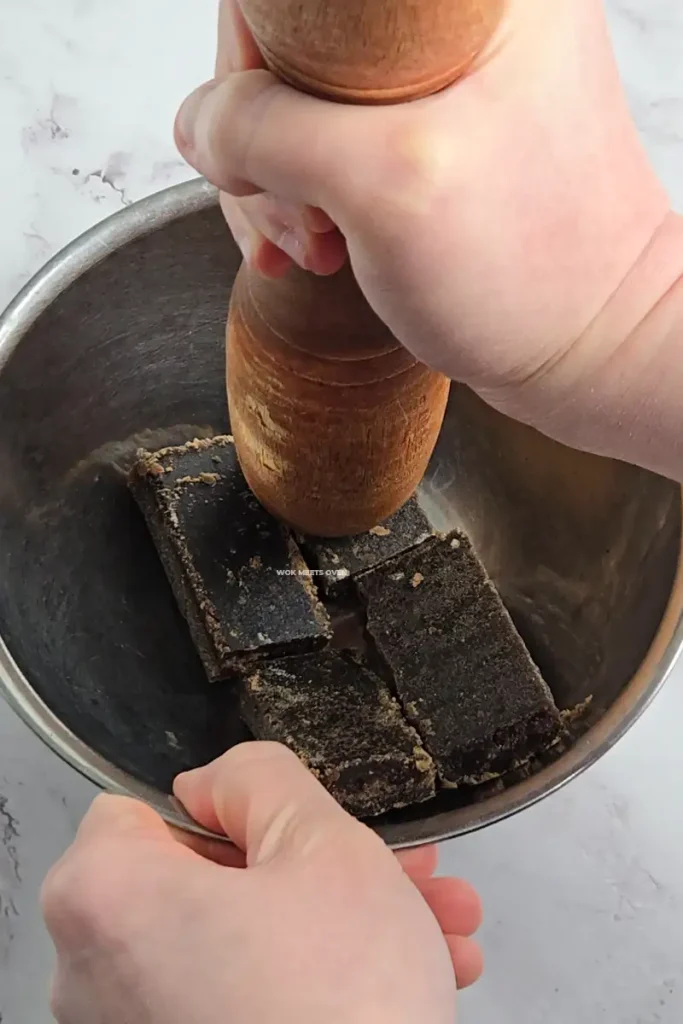
- Next, add the brown sugar to water in a pot and bring it to a boil using medium heat.
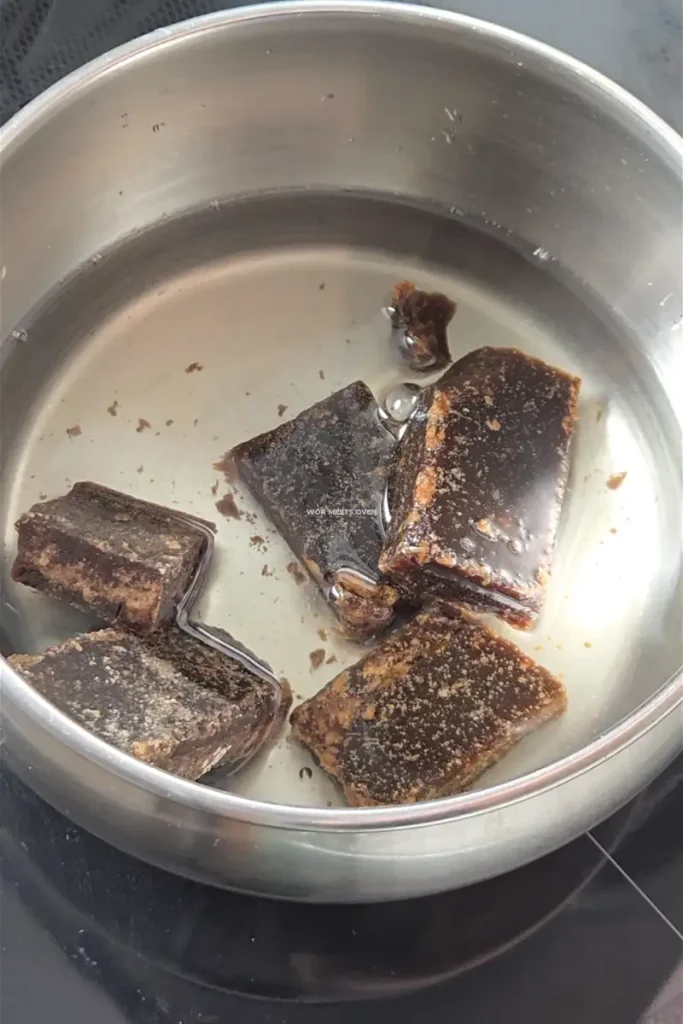
- Now turn the heat down to low and continue melting the sugar using low heat. Occasionally, mix the sugar around in the pot with the water.
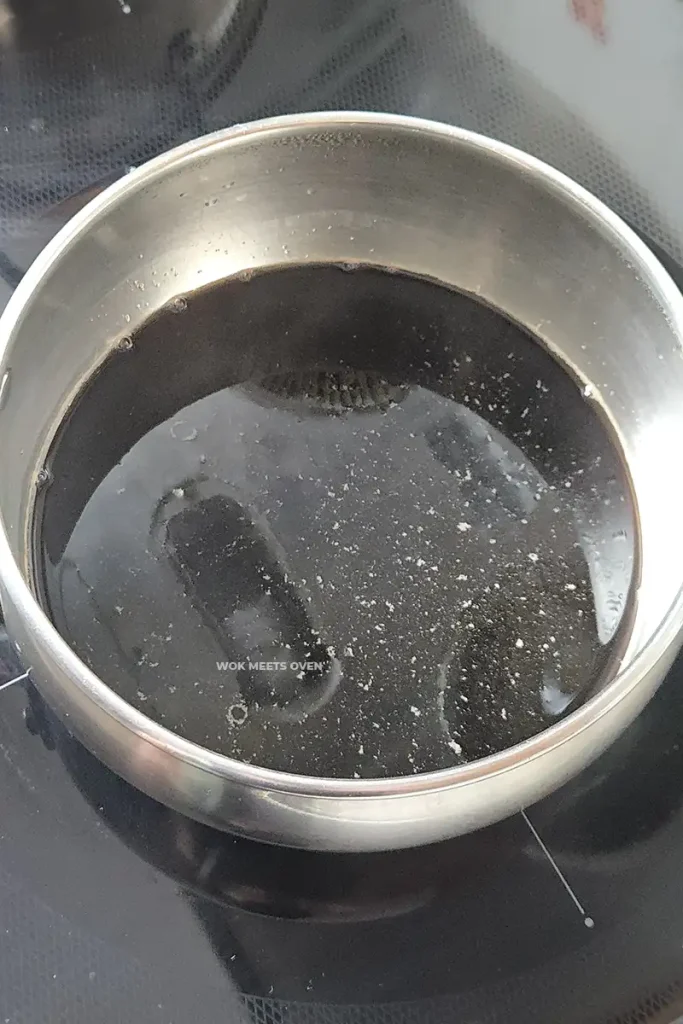
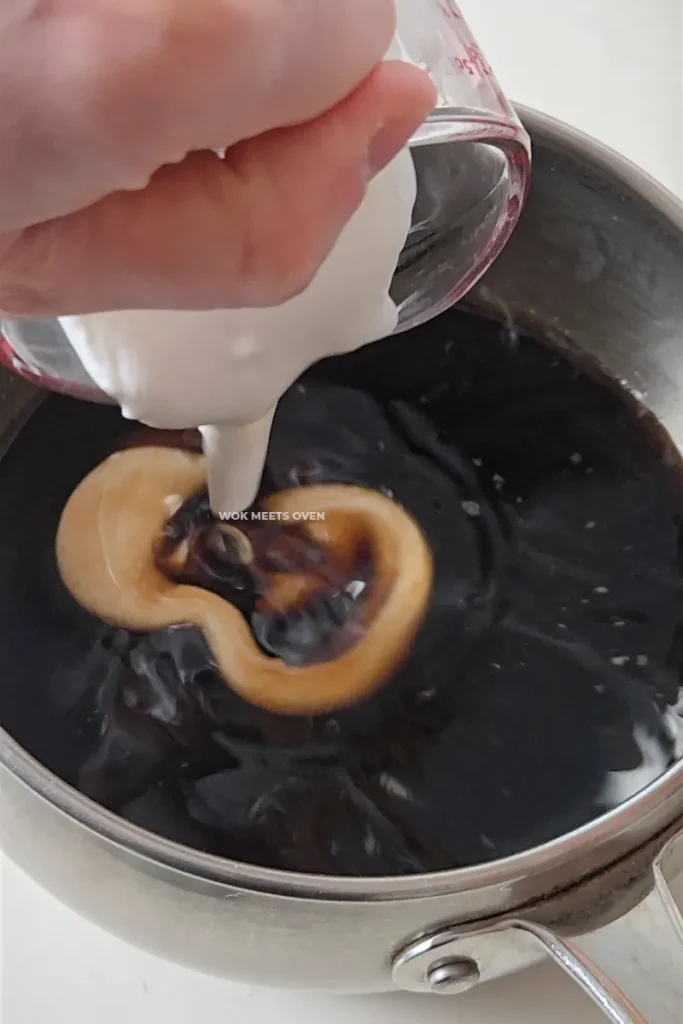
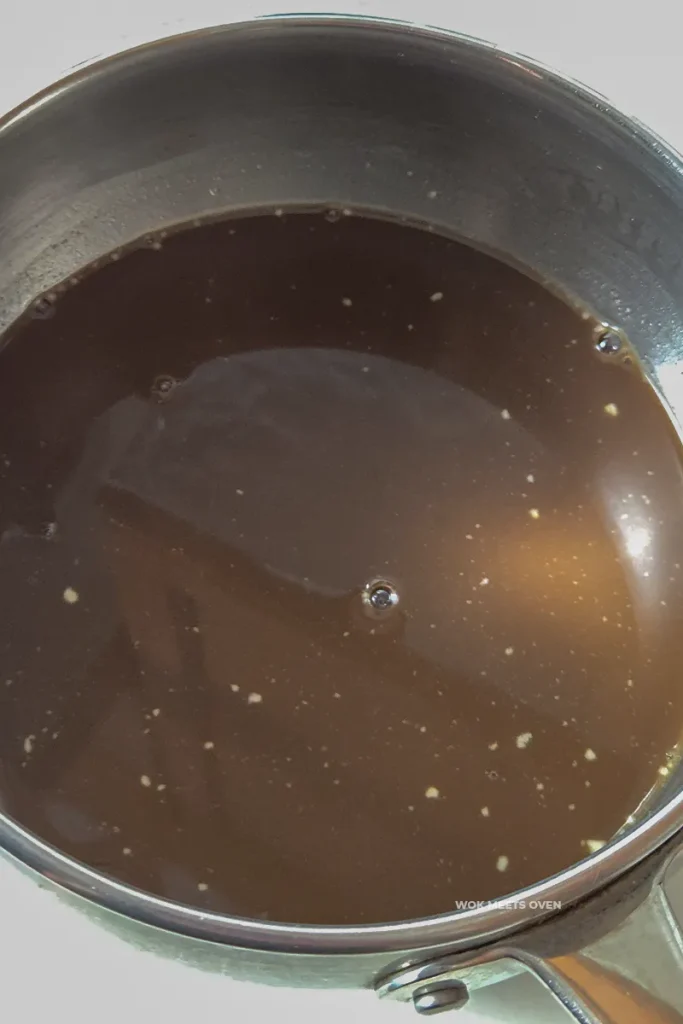
- Once all of the sugar has melted, remove the pot from the stove and add in the coconut milk. Mix everything well together and set it aside to let it cool down.
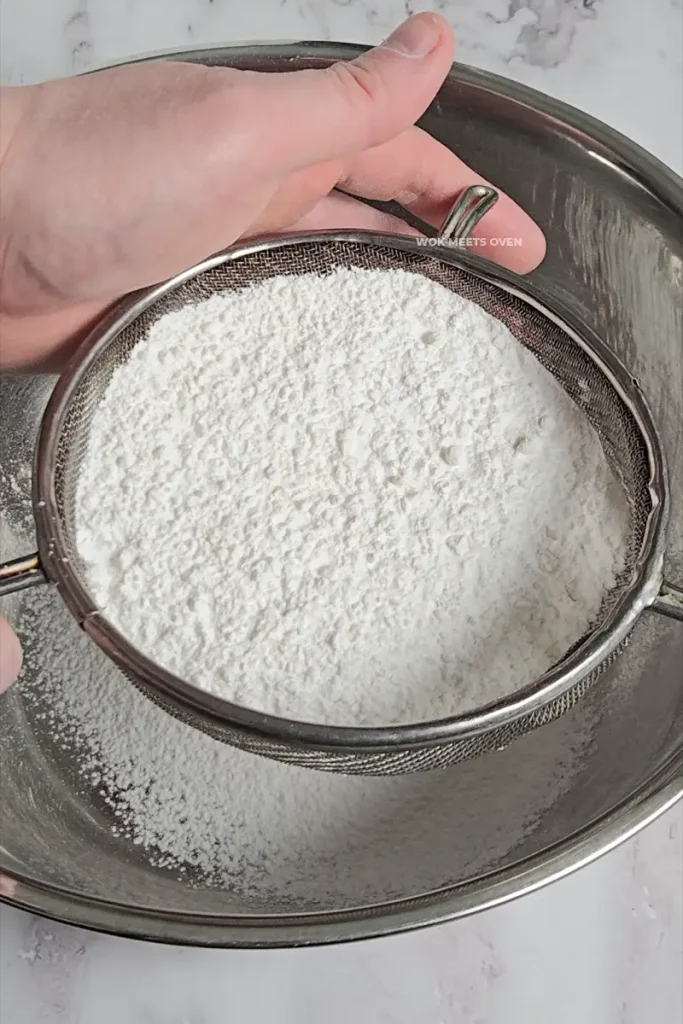
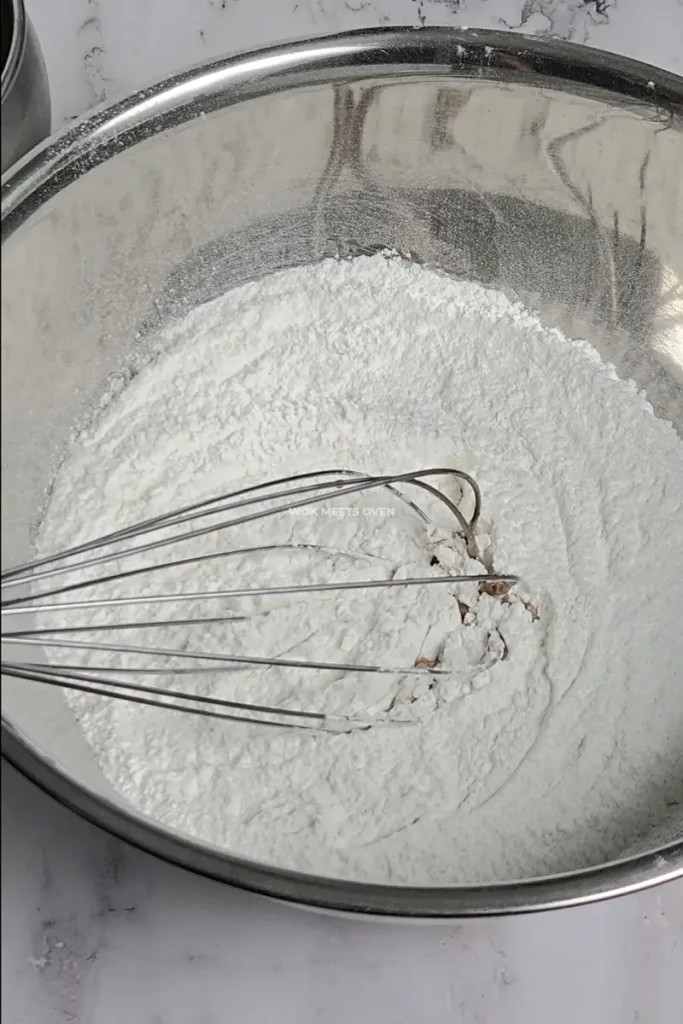
- In a large bowl, sift in the glutinous rice flour, rice flour, and wheat starch. Mix everything well together.
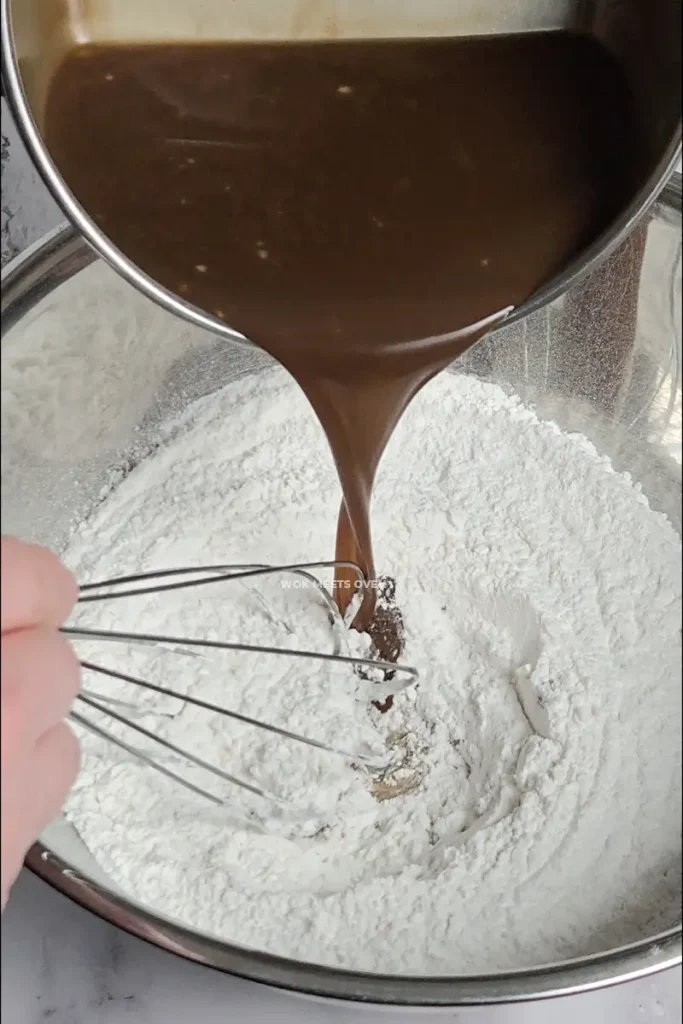
- Next, slowly pour in the sugar water coconut milk mixture into the dry ingredients while constantly mixing it.
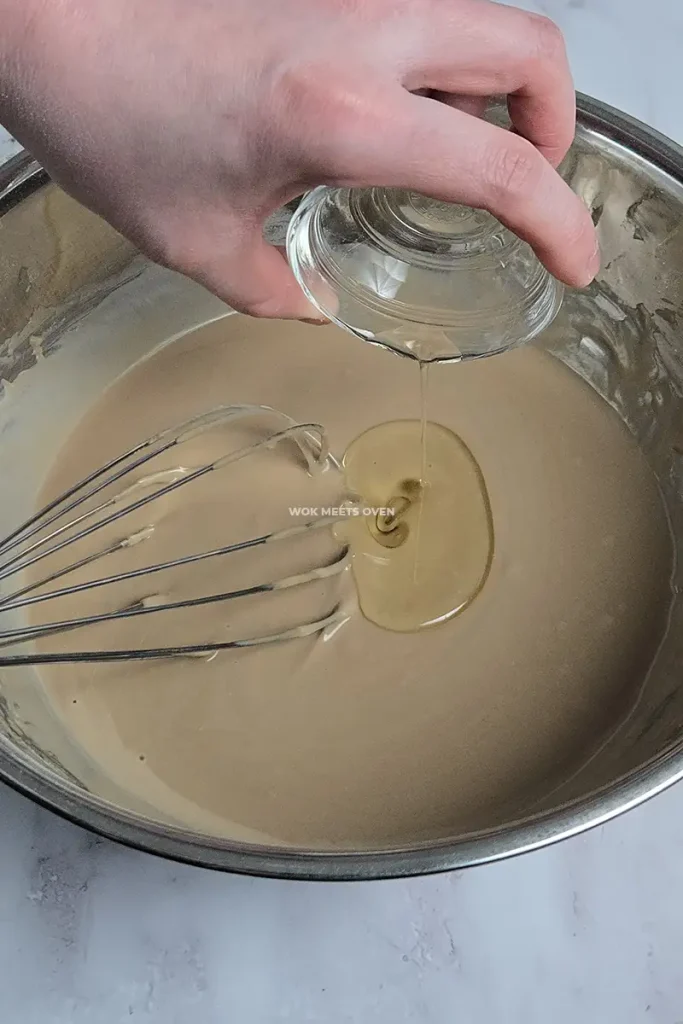
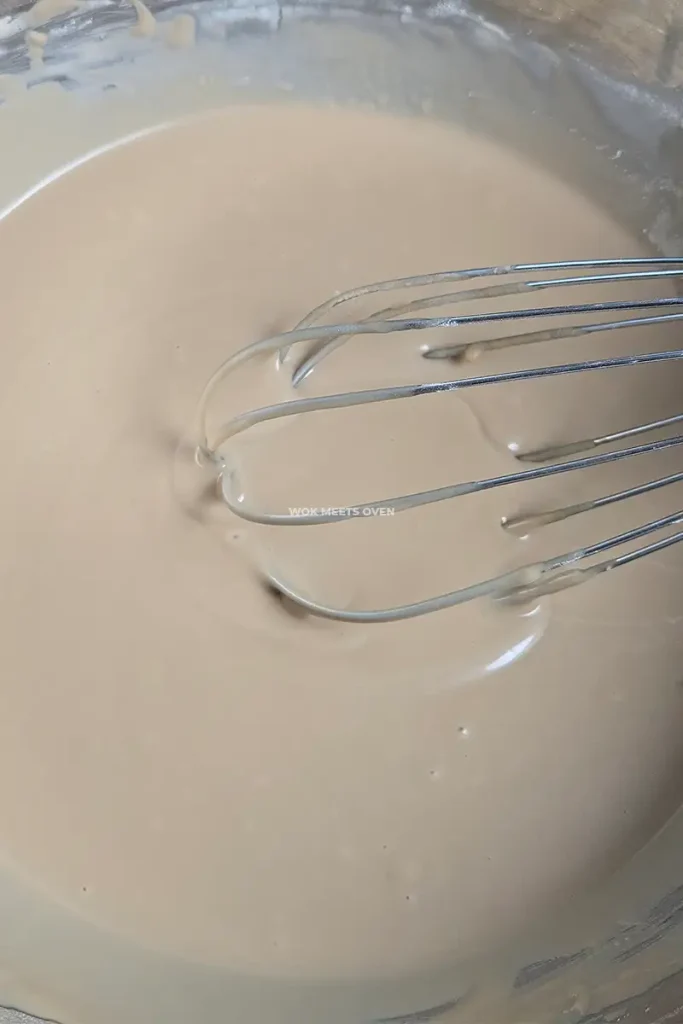
- Then add in the cooking oil and mix everything well together.
- Now grab your cake pan container and grease it with a little cooking oil.
- Next, boil some water in a steamer or a wok and get it ready.
- While the water is boiling in your steamer, pour the mixture through a sieve into your greased container.
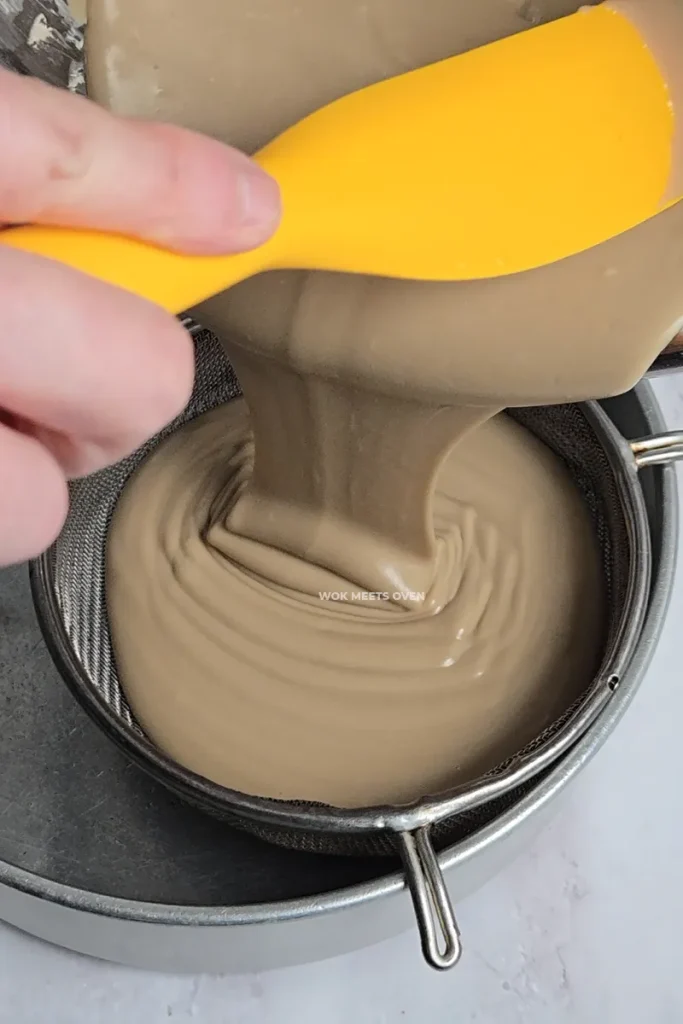
- Make sure to break up any lumps and impurities that appear on your sieve.
- Pick up the cake pan now and drop it down onto your countertop a few times to even out and level the mixture.
- Now, grab a toothpick or lighter and pop any bubbles that you see on the surface of the mixture.
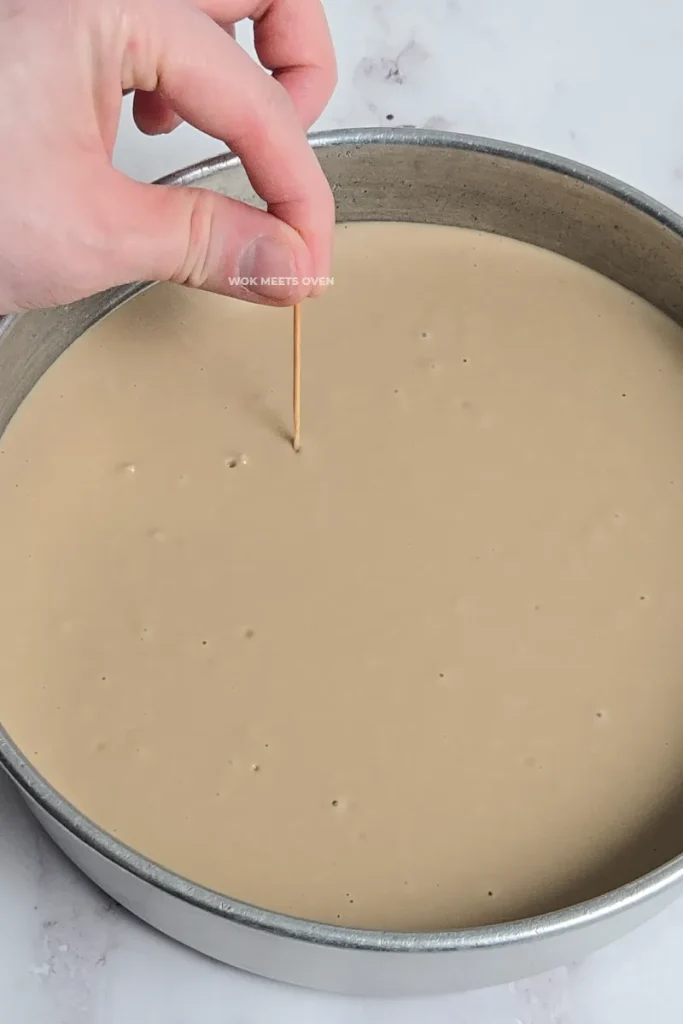
- Then, cover the cake pan with aluminum foil or plastic wrap and steam on medium heat for about 1 hr.
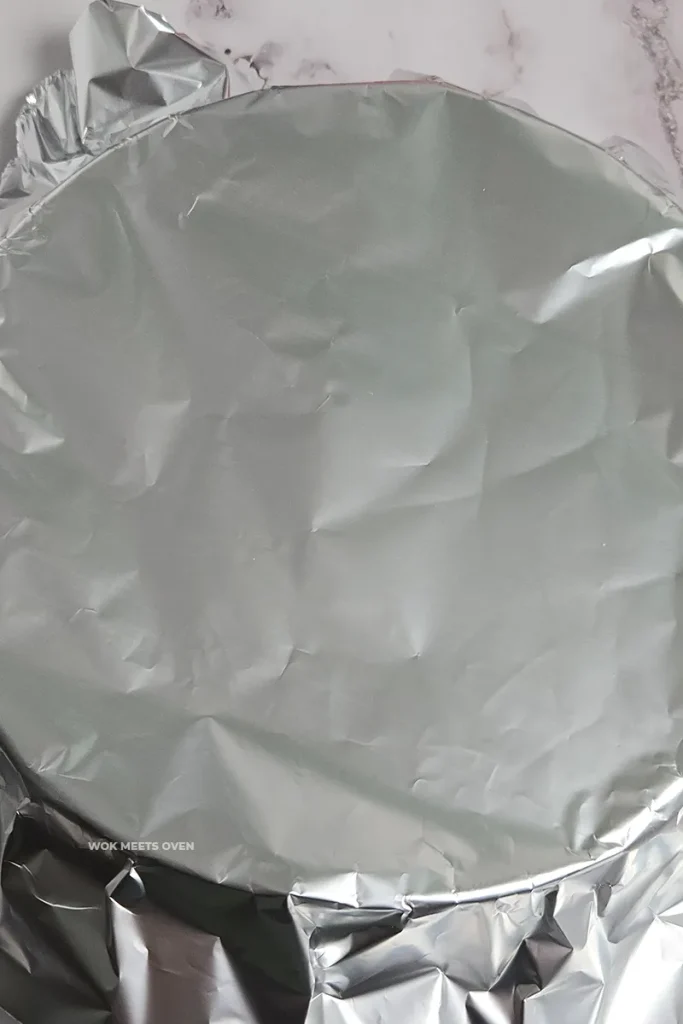
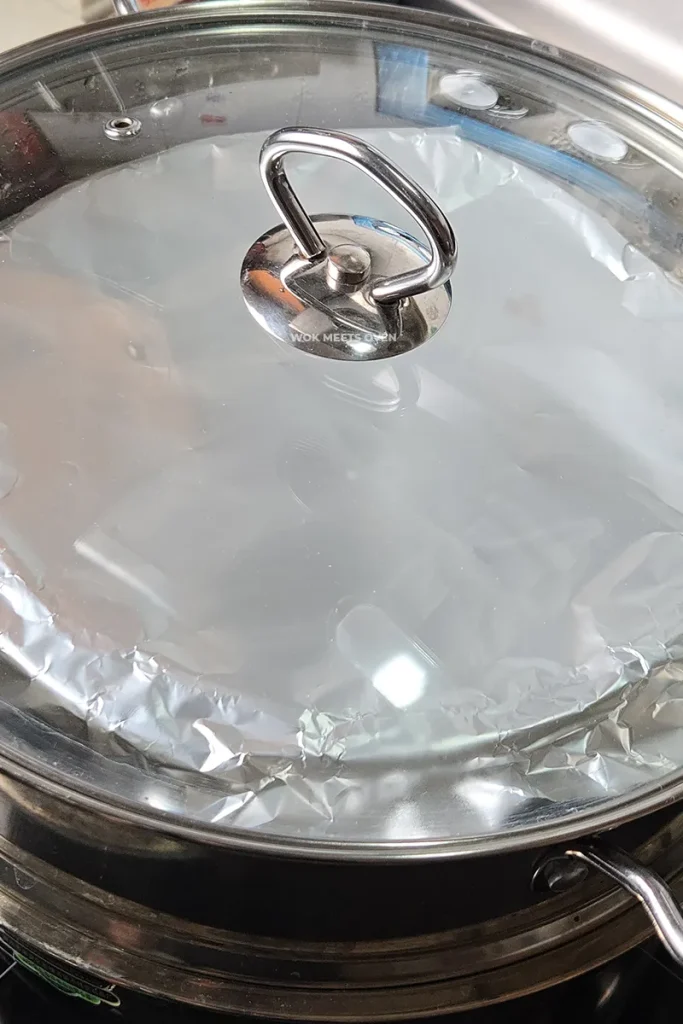
- Note: steaming time will vary depending on the stove and cake pan used. To check for doneness, stick a toothpick into the nian gao and see if it comes out clean. If not, it needs to be steamed a bit longer until the toothpick comes out clean.
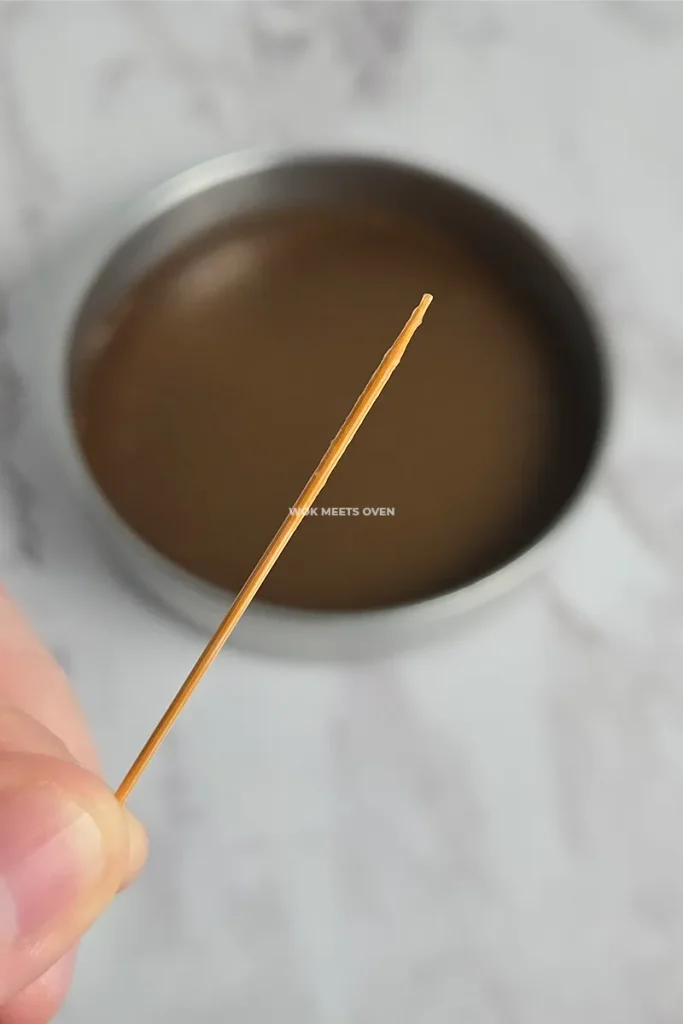
- Once done steaming, remove it from the steamer and add a dried red date in the middle by gently pressing down into it. The nian gao should stick to the red date.
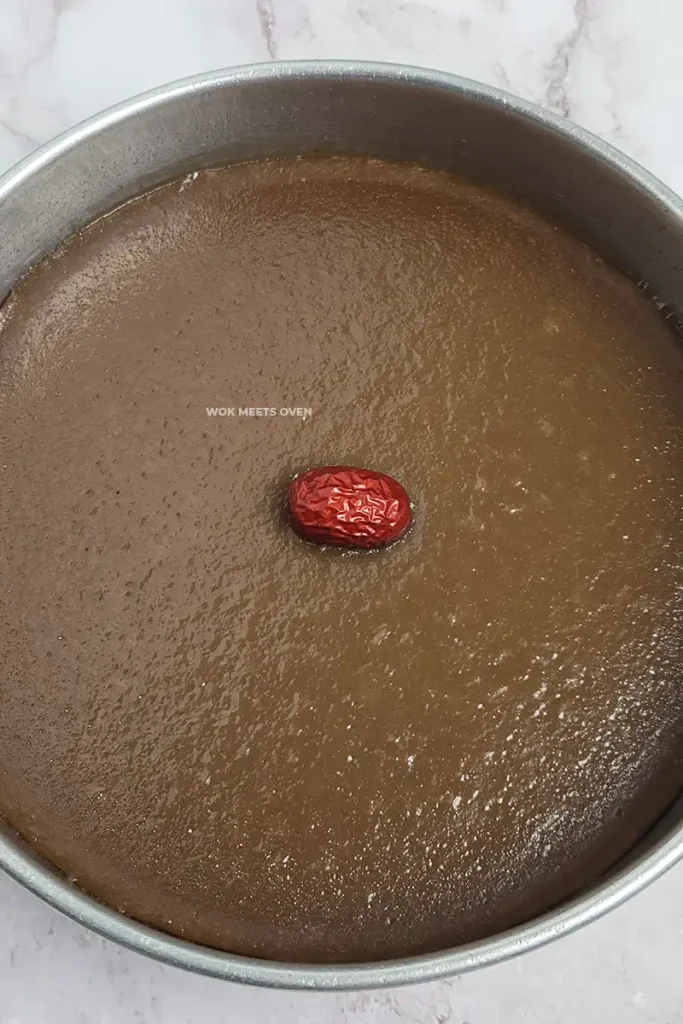
- Let the nian gao cool down at room temperature while keeping it covered and then place it into the fridge overnight.
- Remove it from the fridge the next day, and cut the nian gao into slices. It should be much easier to remove from the cake pan once it has solidified.
- When ready to eat, heat up a non-stick pan on medium heat.
- Add a little bit of oil to the pan and pan-fry the nian gao slices until golden brown on all sides and serve.
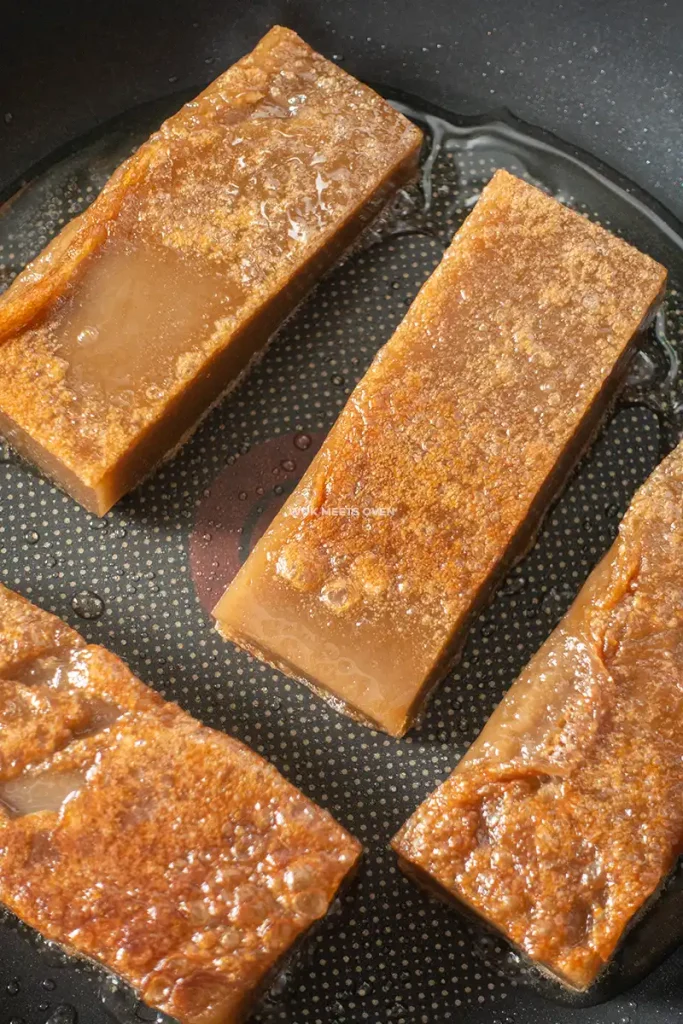
- Optional: Beat 1-2 eggs and then dip the nian gao slices into the egg wash prior to pan-frying them.
A Few Helpful Tips
Common Mistakes Beginners Make
- Trying to substitute Chinese cane brown sugar slabs with regular brown sugar resulting in a molasses tasting overly sweet nian gao. If it’s not listed in the substitution section then don’t try to substitute the ingredient!
- Steaming the nian gao on high heat. This causes the nian gao to puff up and become dry. Use medium heat to steam.
- Not steaming the nian gao long enough. This leads to an undercooked doughy, gooey nian gao that belongs in the garbage bin. Check for doneness by sticking a toothpick into the nian gao. It should come out clean.
- Trying to convert measurements into US customary measurements. You need a kitchen scale to weigh out the precise measurements for this recipe.
- Burning the nian gao slices when pan-frying them. Your stove’s heat is too high. Only use medium heat or lower to pan-fry the nian gao to prevent them from burning.
Storage Tips
The Chinese New Year cake (Nian gao) can be stored in the fridge in an airtight container for up to 1 week.
How to Reheat Nian Gao?
You can either microwave it until it’s soft again and eat it as is, or you can pan-fry it until it’s nice and golden brown, assuming you haven’t done so already.
Other Recipes That Go Well With This
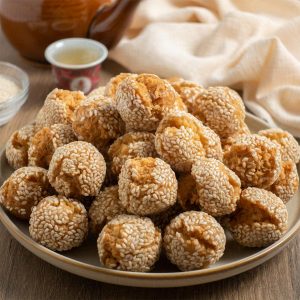
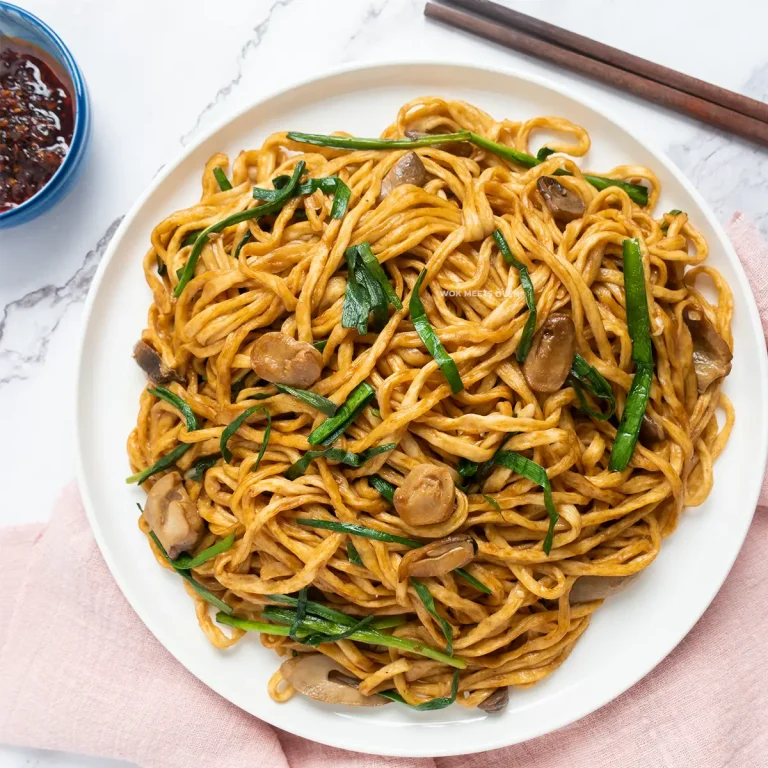
Since nian gao is commonly eaten during the Lunar New Year, the most logical pairings would be other Chinese New Year recipes such as braised e-fu noodles, Chinese peanut cookies, Chinese smiling sesame balls, water chestnut cake, and tang yuan (glutinous rice balls).
Frequently Asked Questions (FAQs)
What Size Cake Pan Should I Use for This Recipe?
I recommend using a round cake pan mold no bigger than 7-8 inches. In fact, I think a 6 or 7-inch round cake pan would be perfect for this recipe, as the end product will have enough width and height to it. I don’t own a 6 or 7-inch round cake pan, so I used a 9-inch pan for this recipe.
I Only Have Glutinous Rice Flour at Home, Can I Just Use That?
You’ll need to make a trip to the grocery store then.
Can I Use Olive Oil for This Recipe?
No!
How Do I Know When My Nian GAO Is Ready?
Stick a toothpick into the Chinese New Year nian gao cake and see if it comes out clean. If it looks very sticky and gooey, then the nian gao is not ready.
Can I Substitute the Coconut Milk With Water?
I have not tested this recipe with these specific measurements using just water, however it should work. You’ll most likely need to reduce the amount of water as coconut milk is thicker than water or if you keep the same measurements, your nian gao will be a little softer.
Also, something to note, the coconut milk helps to mask a lot of the glutinous rice flour smell. If you’re just using water, you’ll smell more of the glutinous rice flour in the steamed cake.
How Do I Remove My Nian Gao From My Cake Pan After Steaming?
Make sure to grease your cake pan prior to pouring in the nian gao batter and also put it in the fridge to cool down overnight. It’ll become firm and much easier to remove the next day.
Likewise, you can also put a piece of parchment paper on the cake pan prior to pouring in the nian gao batter into the pan.
Why Is My Nian Gao Hard After Putting It in the Fridge Overnight?
That’s completely normal and the nian gao is not meant to be eaten like that.
Typically nian gao is pan-fried which will soften it back up.
DO NOT EAT IT STRAIGHT OUT OF THE FRIDGE!!!
Nian Gao (Chinese New Year Cake) 年糕
Equipment
- 1 Steamer or Wok with lid
Ingredients
- 230 g Glutinous rice flour
- 35 g Wheat starch
- 30 g Rice flour
- 110 ml Canned coconut milk
- 1.5 Tablespoons Cooking oil (vegetable, canola, corn, peanut) (22.5ml)
- 240 ml water
- 2 Pieces Chinese dark brown cane sugar slabs
- 1 Piece dried red date Optional garnish
Instructions
- To start, smash the Chinese brown sugar slabs into smaller pieces using a blunt object so that they melt faster, and set them aside.
- Next, add the brown sugar to the water in a pot and bring it to a boil using medium heat.
- Now turn the heat down to low and continue melting the sugar using low heat. Occasionally, mix the sugar around in the pot with the water.
- Once all of the sugar has melted, remove the pot from the stove and add the coconut milk. Mix everything well together and set it aside to let it cool down.
- In a large bowl, sift in the glutinous rice flour, rice flour, and wheat starch. Mix everything well together.
- Next, slowly pour in the sugar water coconut milk mixture into the dry ingredients while constantly mixing it.
- Then add in the cooking oil and mix everything well together.
- Now grab your cake pan container and grease it with a little cooking oil.
- Next, boil some water in a steamer or a wok and get it ready.
- While the water is boiling in your steamer, pour the mixture through a sieve into your greased container.
- Make sure to break up any lumps and impurities that appear on your sieve.
- Pick up the cake pan now and drop it down onto your countertop a few times to even out and level the mixture.
- Now, grab a toothpick or lighter and pop any bubbles that you see on the surface of the mixture.
- Then, cover the cake pan with aluminum foil or plastic wrap and steam on medium heat for about 1 hr.
- Note: steaming time will vary depending on the stove and cake pan used. To check for doneness, stick a toothpick into the nian gao and see if it comes out clean. If not, it needs to be steamed a bit longer until the toothpick comes out clean.
- Once done steaming, remove it from the steamer and add a dried red date in the middle by gently pressing down into it. The nian gao should stick to the red date.
- Once done steaming, remove it from the steamer and add a dried red date in the middle by gently pressing down into it. The nian gao should stick to the red date.
- Remove it from the fridge the next day, and cut the nian gao into slices. It should be much easier to remove from the cake pan once it has solidified.
- When ready to eat, heat up a non-stick pan on medium heat.
- Add a little bit of oil to the pan and pan-fry the nian gao slices until golden brown on all sides and serve.