Easy Homemade Mapo Tofu (麻婆豆腐)
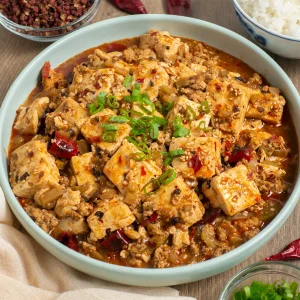
Soft tender tofu, savory ground pork, infused with fragrant aromatics in a mouth-watering, slightly spicy Sichuan sauce that comes together easily in 30 minutes or less. This version is less spicy than traditional Sichuan-style recipes, making it suitable for all households.

What Is Mapo Tofu?
Visit any Chinese restaurant and skim through the tofu section, and you’ll no doubt find Mapo tofu on the menu.
This Chinese tofu dish is one of the most popular tofu dishes around the world and is regularly eaten in a Chinese household.
Mapo tofu (麻婆豆腐) is a classic Sichuan Chinese dish made with soft tofu simmered in a savory, spicy sauce consisting of spicy broad bean paste, an assortment of aromatics with ground pork, Sichuan peppercorn, and, of course, chili oil (because the dish just isn’t hot enough yet!)
The Mapo tofu dish, especially Sichuan-style Mapo tofu, is known for both its numbing sensation and spiciness, making it perfect for anyone who loves spicy food.
For anyone else, run!!!
My version of Mapo tofu with ground pork is a less spicy version of this classic dish, catered more to a Cantonese household or anyone that doesn’t enjoy overly spicy food.
Look, I like a little kick in my food every once in a while, but I don’t want to be carried away in an ambulance because a volcano erupted in my mouth, ok! 🥵
My Kitchen Test and Backstory
I got inspiration to create this dish due to my father who would oftentimes make it at home after he got home from work. My father likes to be efficient and cook meals relatively fast, often sacrificing a bit of flavor for speed as he didn’t have much time.
My father’s version of Mapo tofu although tasty, would oftentimes feel like something was missing in the flavor profile and it wasn’t spicy at all.
There was absolutely no kick to the dish.
So, I decided to create my own version after careful research.
The old-school original version of Mapo tofu from what I read used ground beef, however have you seen the price of beef lately??? 😳
So in order to keep costs down, I opted for the more modern version of using ground pork.
As for the choice of tofu, well, I decided to use medium firm tofu. I choose to use medium firm tofu for 2 reasons:
- Cost
- Texture and firmness
At my local Asian grocery store, they typically have specials on medium-firm tofu: 2 packages for $5 (as of December 2025). I think that’s a reasonable price, whereas soft tofu costs a bit more.
With rampant foodflation, I wanted to keep the dish as economical as possible.
Secondly, medium firm tofu isn’t as soft and fragile as soft tofu. I predicted that with soft tofu, the tofu would easily break apart during cutting, blanching, transferring between pots and strainers, and finally stir-frying it and mixing it around in the wok.
What Worked & What Didn’t
For my first attempt at making this dish, I used both packages of medium firm tofu as I didn’t want to keep them for too long in my fridge (I didn’t have time to make the dish until 2-3 weeks after I purchased the tofu).
I also decided to add some preserved mustard to the dish to give it a bit of crunch. Since the tofu was going to be soft while the ground pork would have a more firm meat texture, I wanted to also add a crunchy texture to it as well.
The end result was a slightly bland dish. I think I added in too much water (2 cups). I had doubled the amount of water I used as I used 2 packages, however this resulted in the dish tasting kind of bland and I had to add quite a bit more salt then I would have liked to the dish.
It also wasn’t spicy enough either. I barely tasted any spiciness in the dish.
Also, 2 packages of tofu was a lot!
I had leftovers for several days and by the 4th or 5th day, I was sick of eating Mapo tofu!
In addition, I found out that after blanching the tofu, and dumping them onto a straining basket, they stuck together and by the time I was ready to add them back into the wok to mix them with the ground pork and sauce, the tofu turned into a large clump.
When I tried to separate them, some of the pieces started to break apart. 🙄
For my second attempt, I only used 1 package of tofu, upped the chili oil in the recipe, reduced the water content to only 3/4 cup of water and increased the amount of Doubijian that I used and slightly increased the amount of fermented black beans.
The result?
The dish was too salty. 🤦♂️
I had to add back in about an extra 1/2 cup of water in order to rescue the dish, making the total about 1.5 cups of water. But now there was too much sauce.

For my third attempt, I reduced the amount of Doubijian, fermented black beans, and only slightly increased the water amount. This time I found the dish just right, it wasn’t too salty nor bland and amount of sauce was just right based on my own family’s preferences (they like more sauce).
With this, I was ready to share my easy Mapo tofu recipe.
Let’s now discuss some of the key ingredients in this Mapo tofu recipe.
Mapo Tofu Ingredient Notes
Medium Firm tofu: These aren’t as fragile as soft tofu nor as firm as firm tofu. This makes them an excellent candidate for this recipe as they won’t easily break apart yet will still remain soft when you bite into them. If you choose to use soft tofu then be extra careful handling them as they can easily break.
Pickled mustard: These usually come in tiny packages in either mild or spicy varieties. They have a salty, crunchy taste to them.

Sichuan peppercorn: These typically come in 2 colors: red and green. You can use whichever one you have at home or can find at the grocery store.

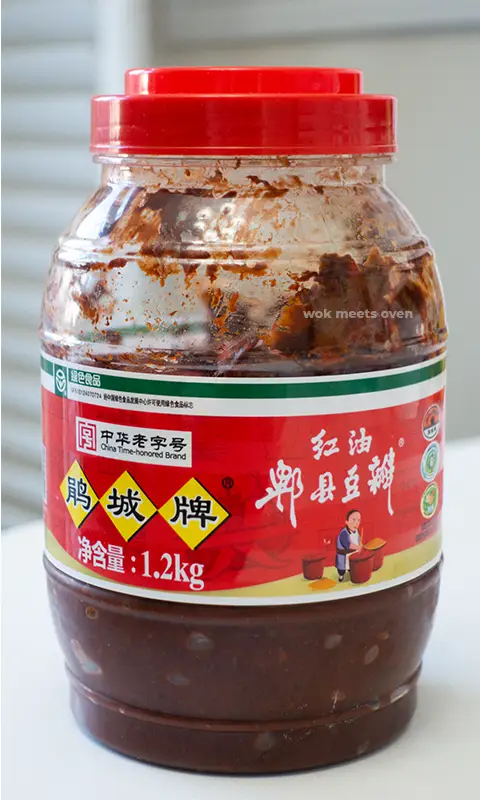
Spicy broad bean paste (Doubanjiang): This spicy broad bean paste adds a lot of flavour to the dish. The paste has a red colour to it and is quite salty if eaten by itself which we aren’t going to do obviously in our recipe. You will be able to buy doubanjiang quite easily at most Asian grocery stores in the sauce section.
Black beans: These add a bit of saltiness to the dish as well as a beany taste. It is a common ingredient in a lot of Chinese dishes.

Dried chili peppers: You can either buy whole or cut chili peppers. If you’re using whole dried chili peppers then you’ll need to cut them into pieces to really bring out the aroma.

Chili oil: You can use store-bough chili oil or your own homemade chili oil. The chili oil will add a little kick to our mapo tofu.

Substitutions
- Medium-firm tofu: You can substitute soft or firm tofu. If you’re using soft tofu then be extra careful as the tofu can easily break apart.
- Ground pork: You can substitute it with ground beef (the original version used beef!) or ground chicken.
How to Make Mapo Tofu
- Soak your fermented black beans in water for about 5-10 minute.
- Strain out the water and give it a quick rinse.
- Now roughly chop the fermented black beans and then set them aside.
- Open your package of preserved mustard and mince the preserved mustard into small pieces and set aside.
- Next, cut your dried chili peppers into pieces.
- Roast Sichuan pepper corn and chili peppers for a few minutes on a wok or pan on low heat until they become aromatic.

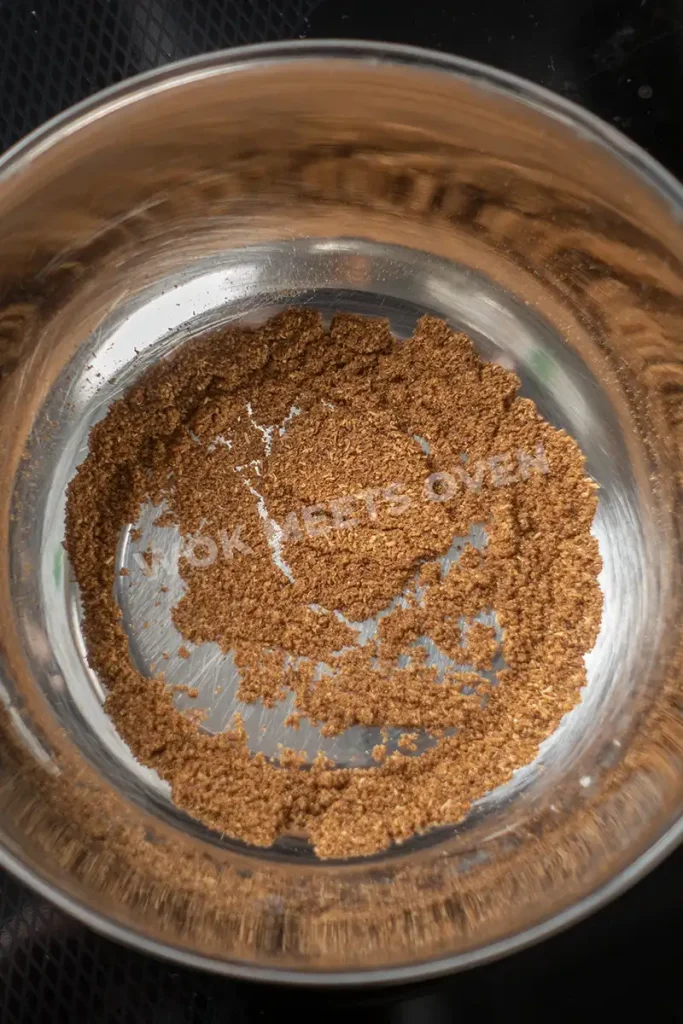
- Now grind the Sichuan pepper corn down into a fine powder using a spice grinder. If you don’t own one, you can use a mortar and pestle or place the Sichuan pepper corn into a zip-lock bag and beat it with a hard, blunt object like a dough roller.
- Once done, pour the ground Sichuan peppercorn through a sieve and set it aside along with the dried chili peppers.
- Next, fill a pot or wok with water, enough to submerge the tofu. Add a little salt to it and then heat it to almost a boil.
- While the pot or wok is heating up, open your package of tofu. Drain out all of the water and give the tofu a quick rinse with water.
- Now cut the tofu into small cubes and set them aside.

- Once the water is almost boiling, turn off the stove and add in your tofu and blanch the tofu for about 1-2 minutes. This will help firm up our tofu and get rid of the beany tofu smell.

- Once done, remove the tofu from the wok or pot of water and transfer to a large bowl filled with cold water.
- Let the tofu cool down and then transfer it again to a straining basket, making sure not to let the tofu pieces stick together.
- Next, heat up a wok on medium heat and add in your cooking oil once the wok is hot enough (smoke coming out of wok).
- Add in ground pork and allow it to brown for a little bit on one side before flipping it over and repeating it on the other side.
- Now add in your minced garlic and ginger.
- Stir-fry and mix everything together for about 20-30 seconds.
- Next, add in the cooking wine and give it a quick mix.
- Now add in the Doubanjian, chopped fermented black beans, soy sauce, oyster sauce, sugar, and about 3/4 of the ground Sichuan pepper corn from earlier, and the dried chili peppers.

- Stir-fry and mix everything well together and then add in your preserved mustard.

- Stir-fry and mix everything well together for about 20-30 seconds and then add in water. Mix everything well together.


- Now add in your tofu.

- Gently mix the tofu together with everything else in the wok and then add in chili oil and give it a quick mix.


- Braise the tofu for about 5-6 minutes on medium low heat. This step helps infuse the flavor into the tofu.
- Next prepare a cornstarch slurry by mixing 1-1.5 Tbsp of cornstarch with 1-1.5 Tbsp of water together.
- Add the cornstarch slurry to the sauce in 3 stages rather than all at once while stirring the wok or pan. This helps the cornstarch slurry fully dissolve in the sauce and allows you to control how thick you would like the sauce to be.

- Finally sprinkle in the leftover Sichuan peppercorn and mix everything well together.

- Allow the sauce to thicken up and then remove it from the heat and garnish with some cut green onions.


A Few Helpful Tips
Common Mistakes Beginners Make
- Not blanching the tofu in hot water prior to using it. Missing this key step means your tofu will have a more beany taste to it and also be more fragile, easily breaking apart when cooking it with the other ingredients.
- Being too aggressive when stir-frying the tofu in the wok or pan. This causes the tofu to break apart. Instead, gently push the tofu around the wok or pan when mixing it with the sauce and other ingredients rather than scooping it up and over.
Storage Tips
This dish can be stored in the fridge for up to 5 days in an airtight container.
Side Dishes:
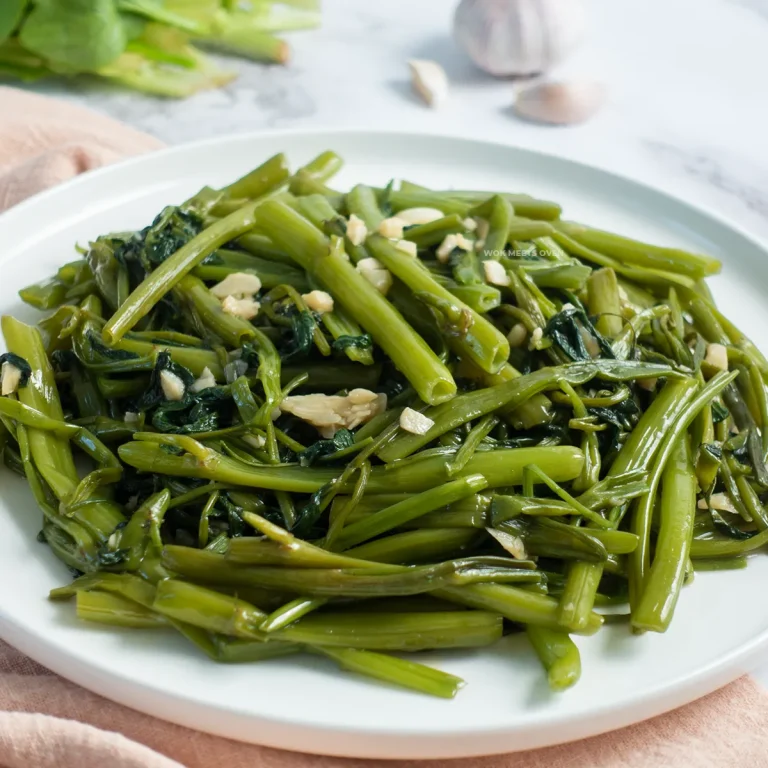
Mapo tofu is traditionally eaten with cooked white rice as the dish itself is salty and savory. You can also pair it with other Chinese dishes such as Chinese tomato and egg stir-fry and ong choy fermented bean curd stir-fry.
Frequently Asked Questions (FAQs)
What Type of Tofu Should I Use for Mapo Tofu?
I recommend using medium firm tofu (it should say medium firm on the package!). This type of tofu has a bit of firmness to it so that it doesn’t easily break apart yet is still retains a soft texture. It’s like the best of both worlds. If you can’t find medium firm tofu then the next best thing is either soft or firm tofu.
If you’re using soft tofu then be extra careful when cutting and handling the tofu as it can easily break apart.
Avoid using silken tofu as it’s too soft and fragile for this dish.
Do I Need to Drain the Tofu?
When you first open the package, drain out all of the water and then give the tofu a quick rinse. You don’t really need to drain it afterwards as we’ll be blanching it in the hot water.
How Do I Make This Mapo Tofu Recipe Vegetarian?
The most likely candidates that you’ll need to substitute is the ground pork, oyster sauce, and soy sauce (if it’s not vegetarian friendly). For the ground pork protein, you can substitute it with either minced dried shiitake mushrooms that have been soaked for a few hours to soften them up and beancurd. Make sure that it’s beancurd and not tofu! It should be nice and firm.
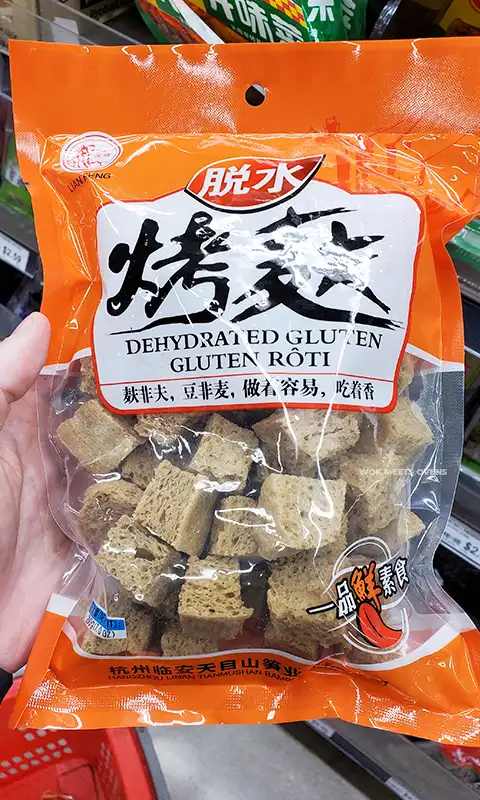
In addition, you can also buy some dried gluten that you will need to mince down to the size of ground pork (make sure to soak them in water first!). You can use either one of these vegetarian substitute suggestions or combine them all together.

How Do I Make This Mapo Tofu Dish Less Spicy?
You can reduce the amount of doubijian, dried chili peppers, and chili oil in the recipe. You can also slightly reduce the amount of Sichuan peppercorns that you add as well but I don’t recommend reducing too much of this ingredient otherwise you will lose a bit of the aroma and taste that it adds to the dish.
How Do I Reheat Leftovers?
Pop it in the microwave and heat the leftovers until nice and hot.
Easy Homemade Mapo Tofu (麻婆豆腐)
Equipment
- 1 Wok
Ingredients
- 1 package Medium-firm tofu 700g
- 1 Package pickled Chinese mustard
- 1 Tablespoon Sichuan peppercorn
- 150 g Ground pork
- 1 Tablespoon Light soy sauce
- 1 Tablespoon Oyster sauce
- 1 Tablespoon Spicy broad bean paste Doubanjiang
- 1/2 Tablespoon Chinese fermented black beans
- 1/2 Tablespoon White sugar
- 3-4 Pieces Dried chili peppers
- 1 Cup Water 240ml
- 1 teaspoon Shaoxing cooking wine
- 1 Tablespoon Chinese chili oil
- 1/2 Tablespoon Minced ginger
- 3-4 Cloves Garlic Minced
- 1 Piece Green onions Garnish
Cornstarch slurry
- 1-1.5 Tablespoons Cornstarch
- 1-1.5 Tablespoons Water
Blanching tofu
- 1 teaspoon Table salt For blanching tofu
Instructions
- Soak your fermented black beans in water for about 5-10 minutes.
- Strain out the water and give it a quick rinse.
- Now, roughly chop the fermented black beans and then set them aside.
- Open your package of preserved mustard and mince the preserved mustard into small pieces and set aside.
- Next, cut your dried chili peppers into pieces.
- Roast Sichuan pepper corn and chili peppers for a few minutes on a wok or pan on low heat until they become aromatic.
- Now grind the Sichuan pepper corn down into a fine powder using a spice grinder. If you don’t own one, you can use a mortar and pestle or place the Sichuan pepper corn into a zip-lock bag and beat it with a hard, blunt object like a dough roller.
- Once done, pour the ground Sichuan peppercorns through a sieve and set it aside along with the dried chili peppers.
- Next, fill a pot or wok with water, enough to submerge the tofu. Add a little salt to it and then heat it to almost a boil.
- While the pot or wok is heating up, open your package of tofu. Drain out all of the water and give the tofu a quick rinse with water.
- Now, cut the tofu into small cubes and set them aside.
- Once the water is almost boiling, turn off the stove and add in your tofu and blanch the tofu for about 1-2 minutes. This will help firm up our tofu and get rid of the beany tofu smell.
- Once done, remove the tofu from the wok or pot of water and transfer to a large bowl filled with cold water.
- Let the tofu cool down and then transfer the tofu again to a straining basket, making sure to not let the tofu pieces stick together.
- Next, heat up a wok on medium heat and add in your cooking oil once the wok is hot enough (smoke coming out of the wok).
- Add in ground pork and allow it to brown for a little bit on one side before flipping it over and repeating it on the other side.
- Now add in your minced garlic and ginger.
- Stir-fry and mix everything together for about 20-30 seconds.
- Next, add in the cooking wine and give it a quick mix.
- Now add in the Doubanjian, chopped fermented black beans, soy sauce, oyster sauce, sugar, and about 3/4 of the ground Sichuan pepper corn from earlier, and the dried chili peppers.
- Stir-fry and mix everything well together, and then add in your preserved mustard.
- Stir-fry and mix everything well together for about 20-30 seconds, and then add water. Mix everything well together.
- Now add in your tofu.
- Gently mix the tofu together with everything else in the wok, and then add in chili oil and give it a quick mix.
- Braise the tofu for about 5-6 minutes on medium-low heat. This step helps infuse the flavor into the tofu.
- Next, prepare a cornstarch slurry by mixing 1-1.5 Tbsp of cornstarch with 1-1.5 Tbsp of water.
- Add the cornstarch slurry to the sauce in 3 stages rather than all at once while stirring the wok or pan. This helps the cornstarch slurry fully dissolve in the sauce and allows you to control how thick you would like the sauce to be.
- Finally, sprinkle in the leftover Sichuan peppercorns and mix everything well together.
- Allow the sauce to thicken up, and then remove it from the heat and garnish with some cut green onions.